
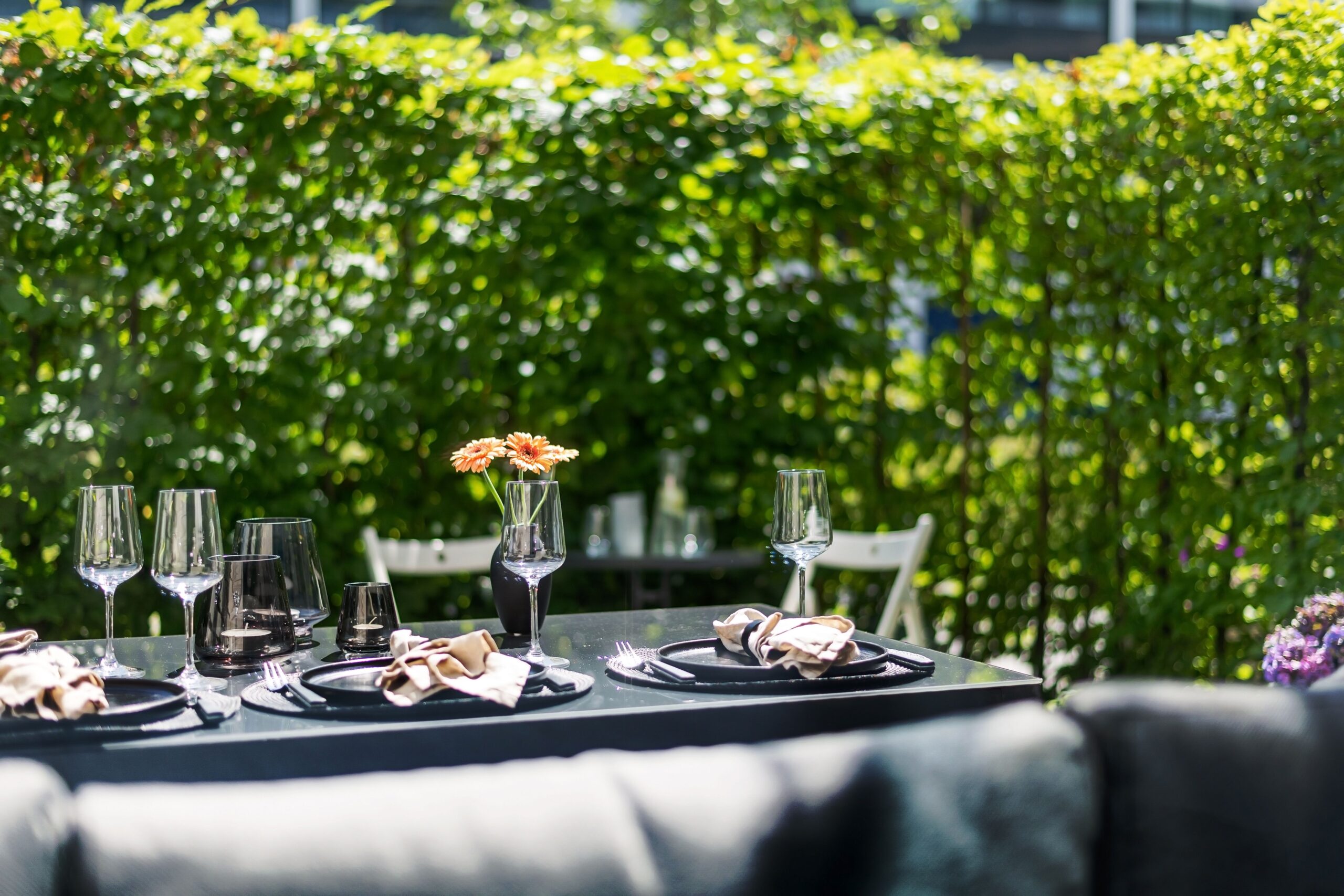
Eating outside should feel relaxed, not like a performance for the neighbors walking past or the windows across the fence. The good news is that you do not need a large yard or a major renovation to create a dining area that feels secluded. With a few smart choices about placement, plants, structure, and sound, you can build a space that feels like a private retreat. Below are ten backyard dining ideas, followed by a quick comparison table to help you choose the right mix for your home.
Table of Contents
1. Build a Living Privacy Screen Around the Table
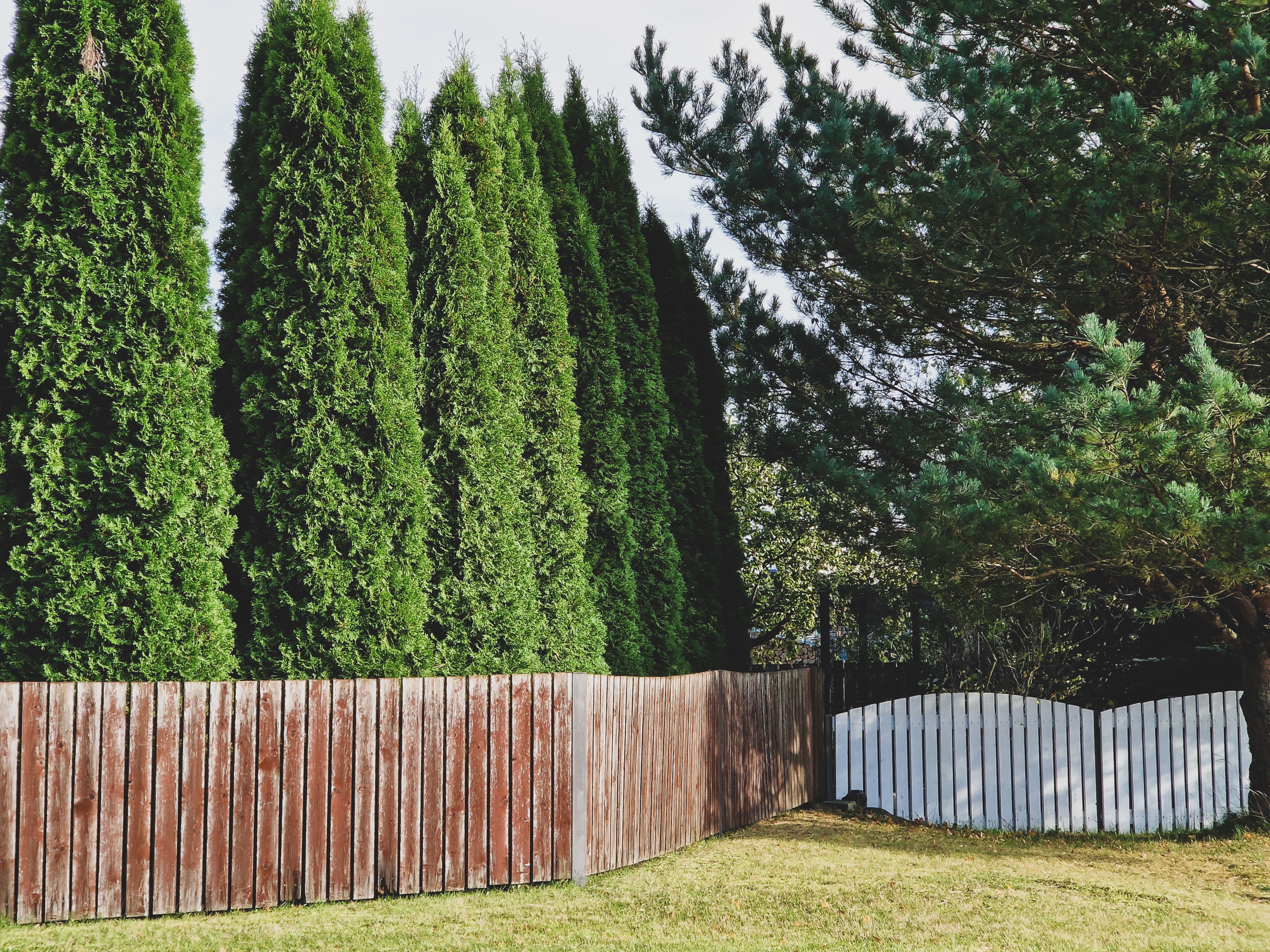
Plants are often the most attractive way to block sightlines. A row of identical shrubs works, but a mixed planting tends to look fuller and holds up better over time. The University of Maryland Extension’s guidance on mixed privacy screens recommends layering the design:
- Place larger trees or tall evergreens at the back as the backdrop.
- Add medium-height shrubs in front of them.
- Finish the edge with ornamental grasses or groundcovers.
Plan for a few years of growth. Most screens need one to two seasons to settle in, so choose plants whose mature height matches the view you want to block.
2. Tuck the Table Into a Corner or Nook
You do not always have to block the whole yard. Sometimes the simplest fix is to move the table. A corner formed by the house, a garage wall, and a fence line already has two natural edges, which means less screening is needed. A few tips make a corner nook work well:
- Face the seats toward a pleasant view, not toward the neighbor’s windows.
- Keep a clear path so the space does not feel cramped.
- Use a rug or a patio border to define the dining zone.
3. Dine Under a Vine-Covered Pergola
A pergola defines the dining area and adds shade, and climbing plants turn it into a screen. Fast-growing vines such as trumpet honeysuckle or clematis can cover the sides within a season or two. Because vines grow vertically, they block views at eye level without taking up ground space. Keep in mind that heavy vines need a sturdy frame, so check that posts and crossbeams are rated for the weight of mature growth.
4. Hang Outdoor Curtains or Sheer Panels
Outdoor curtains are one of the easiest privacy upgrades to try. Weather-resistant panels can hang from a pergola, a porch ceiling, or a freestanding pole. They are useful for:
- Blocking the view from a second-story window next door.
- Softening harsh afternoon sun.
- Creating a room-like feel without building walls.
Choose fabrics labeled for outdoor use, since standard indoor textiles fade and mildew quickly. Tie-backs make it easy to open the space when you want the breeze.
5. Use a Contemporary Pergola as a Defined Dining Room
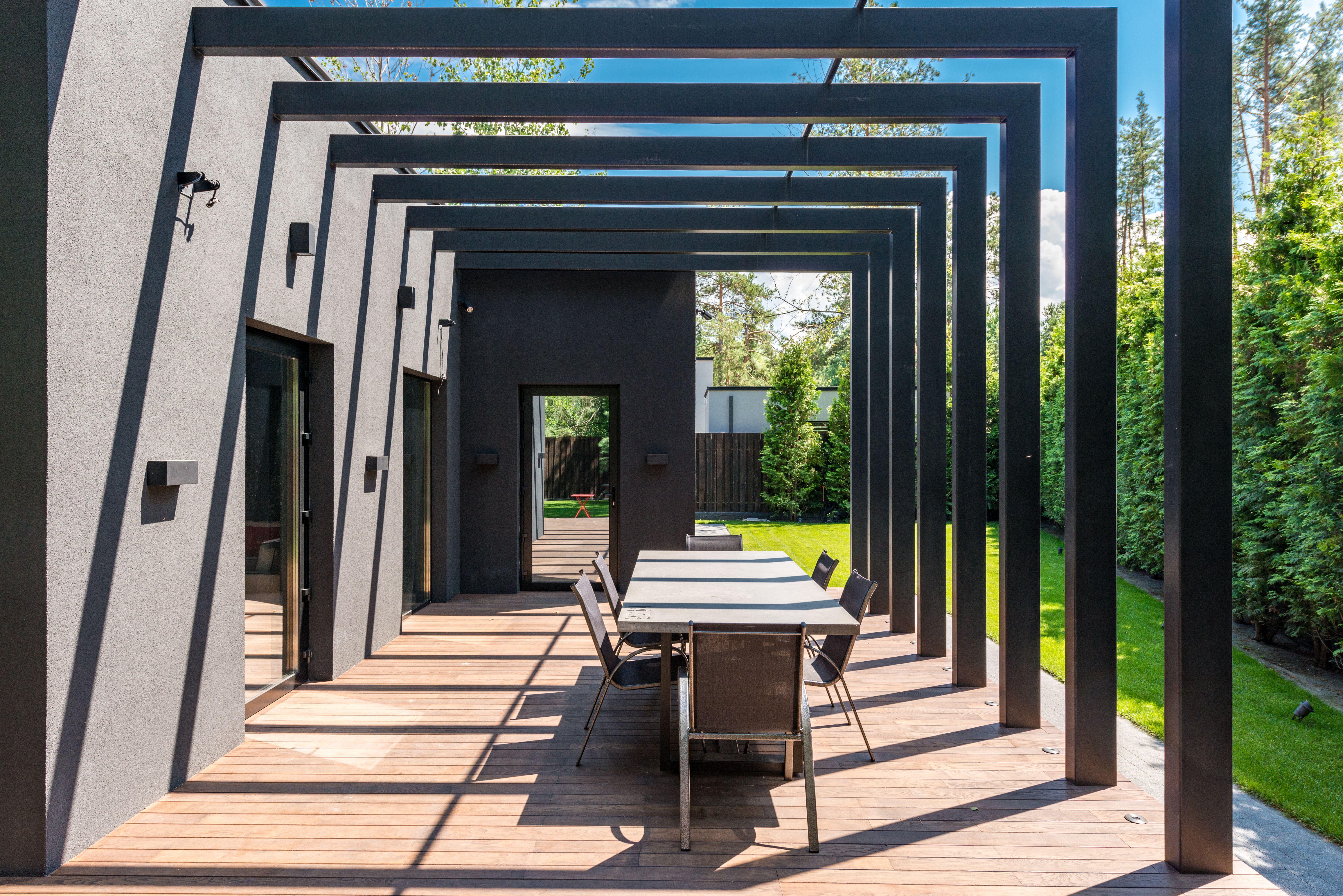
A pergola with clean lines and solid panels or slatted roof sections can act like an outdoor room. Slatted roofs filter light while still providing enough coverage to make the seating area feel enclosed. Pair it with a dining set that fits the footprint, and leave enough space around the table for chairs to slide out comfortably.
6. Build a Raised Dining Deck
A raised platform can separate your dining area from the rest of the yard and make it feel distinct. Raising the deck slightly also puts you above the sightline of low fences and garden paths. When you plan the surface, composite decking is worth considering because it resists rot and splintering and needs less upkeep than many natural woods. Add built-in benches or planters along the edges, and the deck can double as a visual boundary.
7. Light the Space With String Lights and Lanterns
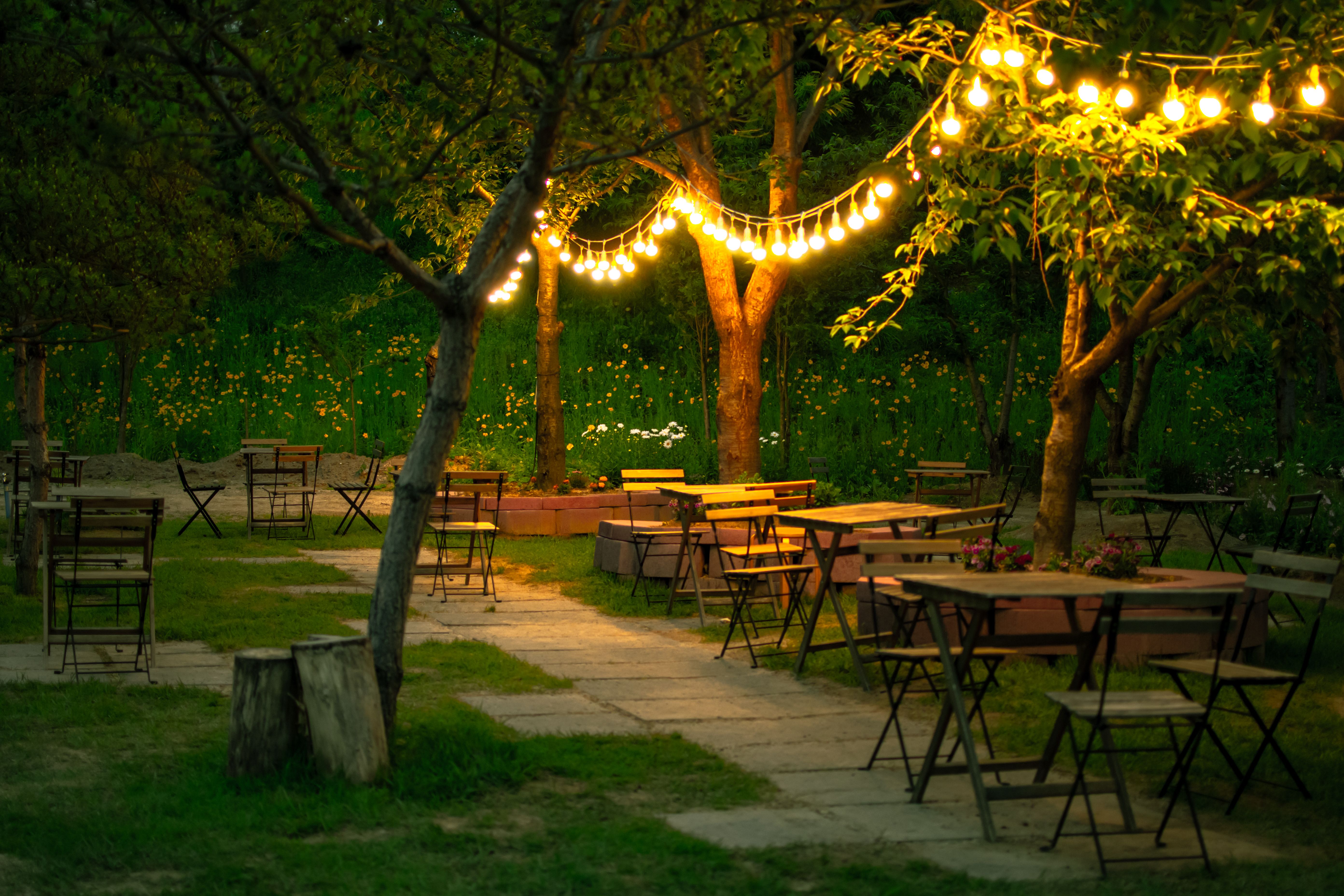
Lighting changes how private a space feels after dark. Warm string lights and lanterns make the table the focus and reduce the feeling of being exposed to the street. Keep the light low and directed downward. Bright floodlights that spill into neighboring windows undo the privacy you are trying to create, and glare makes the yard feel less comfortable even for the people seated at the table.
8. Add Trellises or Planter Boxes as Movable Screens
Not every screen has to be permanent. Freestanding trellises and tall planter boxes can be moved as your needs change, which is helpful for renters or anyone who likes to rearrange the yard. Fill the planters with tall annuals, ornamental grasses, or climbing plants on a trellis. Place them at the edges of the dining area where they block the most important view.
9. Shade the Table With a Large Umbrella and Greenery
A large umbrella provides shade and a sense of enclosure, and surrounding it with potted plants or shrubs adds a natural boundary. Choose an umbrella wide enough to cover the whole table and seats. For safety, anchor it firmly with a weighted base, and take it down or close it during high winds.
10. Mask Noise With a Water Feature
Privacy is not only visual. Street traffic and nearby conversations can make a dinner feel public, even when no one can see in. A small fountain or water feature produces steady background sound that softens those noises and makes conversations feel more private. Place it between the table and the noise source so the sound works as a buffer rather than competing with your guests.
Quick Comparison of Privacy Options
The table below compares the main options by privacy level, upkeep, and the situations where each works best. Use it to match a solution to your yard and budget.
Start With the Sightline That Bothers You Most
Before buying anything, sit at the spot where you would normally eat and note which views feel most exposed. That one sightline often tells you whether you need a plant screen, a pergola, or simply a different chair position. Start with the cheapest change that solves the biggest problem, then add layers over time. A private dining spot usually comes together gradually, and each small improvement makes the next meal outside a little more comfortable.